

A lock on a gate or shed door is only as good as its ability to hold up when you are not there to watch it. Rain, sun, and temperature swings can wear down mechanisms and drain batteries, leaving you with a lock that fails when you need it most.
Outdoor smart locks add controlled access to these exposed entry points, letting you manage who gets in without hiding a physical key. We evaluated the Best Outdoor Smart Locks to find models that pair durable construction with straightforward digital control.
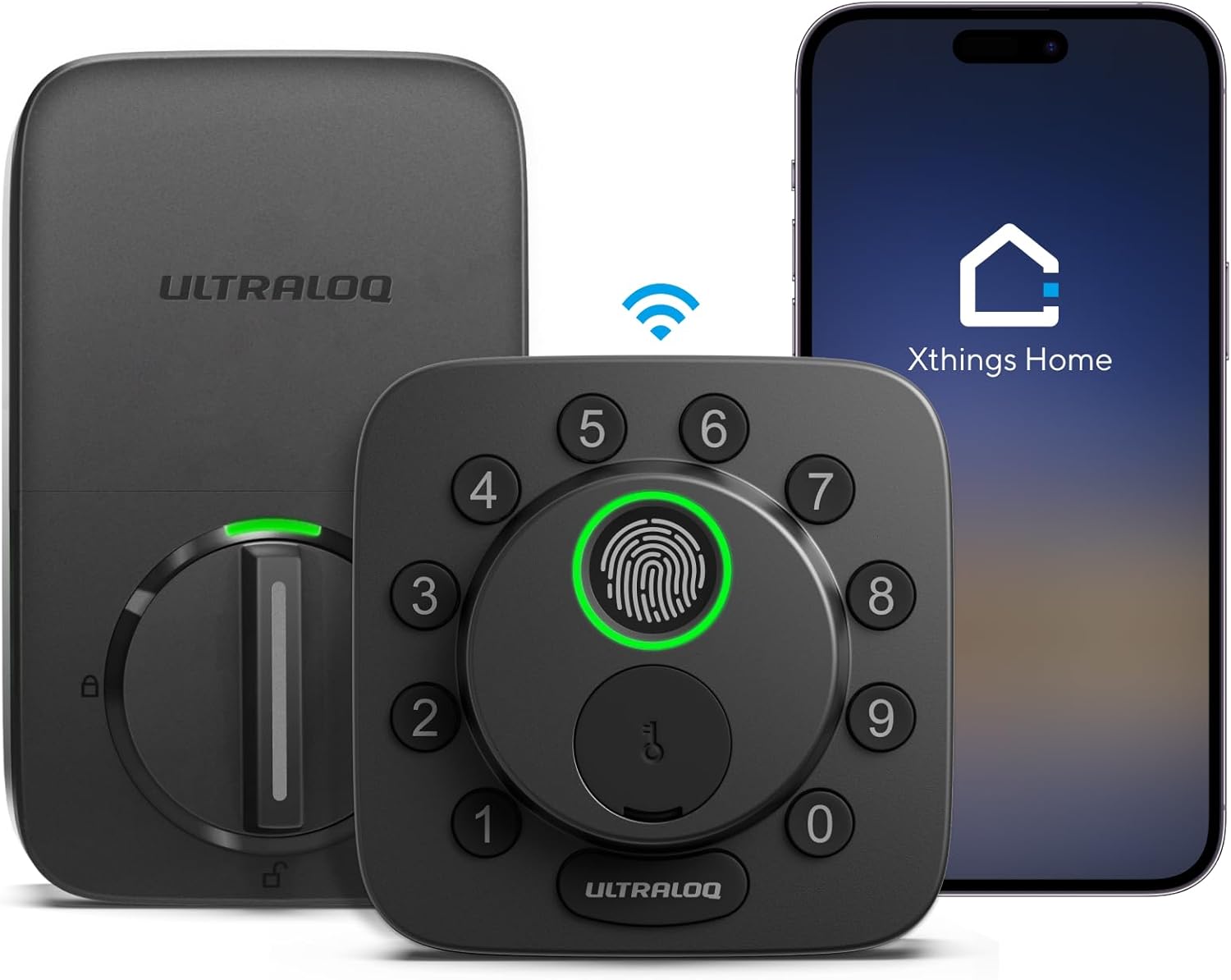
Our overall pick for best outdoor smart locks is the ULTRALOQ U-Bolt Pro WiFi Smart Lock with Door Sensor. It combines fingerprint access with built-in Wi-Fi, giving you remote management and a door sensor for a complete picture of access at an outdoor entry. Our top picks are just below.
Our Top Picks

Pros
- Multiple access options reduce lockouts during daily routines.
- Recharges fast via USB-C for extended outdoor reliability.
- Resists weather damage on exposed gates and fences.
- Physical keys provide backup when battery is low.
Cons
- Must tap keypad first to wake the lock before unlocking.
- App control requires close Bluetooth range to the device.
- RFID cards can be lost if not secured properly.
This padlock delivers solid value for securing outdoor gates and sheds with flexible access methods that fit everyday homeowner needs.
It supports passcodes and RFID cards for quick entry when returning from errands or checking storage units. The app lets you view records and share temporary permissions for contractors handling property work.
The main trade-off here is the extra tap needed to wake the lock before use in cold weather. Battery life holds up well for infrequent access points.
It suits homeowners with fenced yards or detached buildings who want keyless options without complex setup.
This lock holds up under rain and snow on gates or fences where metal often corrodes quickly. The IP67 rating keeps internals dry during storms that affect driveway storage.
- Works in temperatures from freezing to hot sun without sticking.
- Prevents rust on shackles exposed year-round outdoors.
- Handles pool areas with constant moisture exposure reliably.
- Reduces replacement needs for shed locks in harsh seasons.

Pros
- Remote app control needs no extra hub for basic operation.
- Fingerprint access works quickly with hands full of items.
- Auto lock prevents accidental unlocked doors after closing.
- Built-in sensor shows door status from inside the house.
Cons
- Needs strong nearby WiFi for consistent remote features.
- Sensor performs less reliably on metal doors.
- Batteries require replacement roughly once per year.
This WiFi deadbolt offers direct remote management of the front door through a smartphone app without needing extra devices. Auto unlock activates as you approach while notifications track when doors open or close during the day.
Owners gain simple oversight for package deliveries left on porches or family members returning home. The built-in sensor confirms door position so you know if it was left ajar after someone exits.
Worth noting before buying: metal doors reduce sensor accuracy and may require workarounds like manual checks. The main trade-off involves depending on your home WiFi strength near the entry point.
This lock suits wood-frame homes where owners want basic app alerts and fingerprint entry for daily routines.
Fit this deadbolt on standard wood doors with a 2 1/8 inch hole and thickness between 1 3/8 and 1 3/4 inches. Replacement takes about ten minutes using a screwdriver on most left or right handed setups.
- Check door type first since metal doors interfere with the sensor.
- New installs need matching bore holes while replacements swap directly into existing setups.
- Apartment renters should confirm landlord rules before drilling or altering hardware.
- Backup power via microUSB works if batteries fail during outages.

Pros
- Installs in under fifteen minutes with a screwdriver.
- Supports multiple codes for different household members.
- Includes backup physical keys for emergencies.
- Resists weather on outdoor doors year round.
Cons
- Requires regular AA battery replacements.
- No built-in smartphone app connectivity.
- Keypad can be hard to read in bright light.
This keypad knob lock gives homeowners basic keyless entry on front doors through codes rather than physical keys each time.
It fits common needs like securing the door after package deliveries arrive or letting family members inside without extra keys. The auto-lock feature helps maintain security during busy household routines.
The main trade-off here is dependence on batteries that must be swapped every few months. Backup power via a power bank helps avoid complete lockouts.
This product suits renters or single-family homes wanting simple upgrades without wiring or apps.
This lock replaces existing door knobs on standard residential doors. It works on wood or metal doors but measure thickness before starting.
- Requires a pre-drilled knob hole and a screwdriver for setup.
- Fits apartment doors or single-family homes with no wiring needed.
- Best for replacement jobs rather than brand new installs.
- Check door edge space for the latch mechanism first.
- Works on both right and left swing doors after adjustment.

Pros
- Multiple unlock options including fingerprint, code, app, and key provide flexibility for daily routines
- Built-in WiFi allows remote locking and notifications without extra hardware
- Long battery life means fewer replacements, suitable for busy households
- Stores up to 50 fingerprints and 100 codes for family and frequent visitors
- IP53 rating handles rain and temperature swings for exterior front door use
Cons
- Limited compatibility with only eufy doorbells and Alexa/Google, not Apple HomeKit or Matter
- Requires doors 35-55mm thick and specific handle spacing, not for all setups
- Physical key cannot be rekeyed, so rely on electronic methods for security
The eufy Security Smart Lock C220 fits standard deadbolts on front doors, offering fingerprint unlocking that gets faster over time for quick entry after work or when hands are full with kids' gear. Homeowners gain control by setting passcodes for family or service visits, viewing entry logs to track deliveries left inside, and locking remotely if forgotten. This setup reduces key hassles while monitoring access around the property.
For everyday protection, the lock sends alerts for unusual attempts, helping spot issues like someone testing the door while you're away. Built-in WiFi connects directly to your home network for app checks on door status from anywhere, integrating with eufy doorbells to arm routines for porch monitoring. Battery lasts about eight months with normal use, avoiding lockouts during bad weather when changing batteries outside is tough.
Placed on exterior doors exposed to rain or cold, its weather resistance holds up from -22°F to 158°F, maintaining reliability for gates or entries. Voice control with assistants opens doors hands-free for arrivals with packages, while anti-peep codes protect pins from neighbors. Overall, it delivers straightforward access management that fits routines without complexity, bolstering peace of mind for family homes.
Users managing shared properties find value in deleting codes post-visit, ensuring no lingering access for guests or workers. The physical key backup covers power failures, though electronic methods dominate for convenience in monitoring front porches or driveways.
Check your door before buying to ensure compatibility for a smooth swap on front or back entries. Most standard US deadbolts work if dimensions match.
- Door thickness: 35-55mm (1.4-2.2 inches)
- Crossbore center to handle top: greater than 45mm
- Replaces standard deadbolts, no mortise locks
- 15-minute install without drilling, includes all parts
Measure first to avoid returns, ideal for renters updating apartment doors or homeowners securing garages.
The app handles remote control and notifications for front door oversight without a hub. Connects to home WiFi for use from work or travel.
- Real-time alerts for unlocks or tampering
- Event history logs all activity for reviewing deliveries
- Manage 50 fingerprints and 100 passcodes
- Works with eufy doorbells for combined routines
- Voice support via Alexa or Google, no Apple HomeKit
Setup is straightforward, focusing on access for family or guests watching pets.

Pros
- Multiple unlock methods reduce key dependency
- Long battery supports months of outdoor use
- Strong construction resists common forced entry attempts
- App sharing grants temporary access to family
Cons
- Requires periodic USB cable charging
- Fingerprint sensor struggles in extreme cold
- Initial app setup adds steps for basic use
This padlock combines several access methods for everyday outdoor security needs. Multiple unlock options including fingerprint and phone app make daily use straightforward without fumbling for keys. The build resists basic tampering attempts common around residential areas.
I find the battery performance supports infrequent charging over many months of regular operation. It works well for situations where family members need occasional entry permissions.
Worth noting before buying that the device needs recharging through a cable when power runs low. This setup fits homeowners managing multiple outbuildings who value convenience over basic mechanical locks.
This padlock maintains function on gates and fences exposed to rain snow and temperature swings. The sealed design prevents moisture damage during seasonal weather changes.
- Handles heavy downpours on backyard gates without internal issues.
- Resists corrosion on shackles for long term use near pools or sheds.
- Operates reliably in freezing conditions on storage units.
- Withstands dust and sun exposure along driveways.

Pros
- Fits most standard door thicknesses out of the box.
- Auto-lock prevents leaving doors unsecured after entry.
- Battery life lasts over a year before replacement.
- Works in wide temperature ranges for outdoor doors.
Cons
- Requires setting a master code before first use.
- Batteries are not included with purchase.
- Silent mode must be enabled manually each time.
The iulock IU-30 offers straightforward keyless entry for standard home doors through codes or backup keys. It auto-locks shortly after opening to maintain basic security without extra steps.
This setup works well for front doors where deliveries arrive often or for homes with multiple residents needing separate codes. The weather resistance supports use on exterior entrances exposed to rain or temperature shifts.
The main trade-off is the required initial master code setup which adds a step before daily operation. It also depends on batteries for power.
I find this lock suits renters or homeowners replacing basic knobs on typical wood or metal doors.
This lock installs on doors from 1-3/8 to 2-1/2 inches thick using basic tools. It replaces existing knobs on both new builds and older homes.
Check door thickness first since metal doors need the included rubber seal for weather protection. Wood doors use small studs for a firmer fit.
- Measure backset at 2-3/8 or 2-3/4 inches before buying.
- Works for left or right handed doors without extra parts.
- Prepare four AAA batteries separately as they are not included.
- Suitable for apartment rentals where drilling is limited.
- Follow manual warnings on initial master code setup.
Buying Guide for Best Outdoor Smart Locks
An outdoor lock has to secure an entry point that faces the elements and gets less frequent use than a front door. The right choice balances weatherproof durability with access methods that make sense for a side gate or storage shed. These are the factors that separate a reliable lock from one that becomes a problem.
Weatherproofing and temperature rating
Look for an IP rating that guarantees protection against dust and water ingress. A lock rated IP65 or higher can handle direct rain and hose spray, which is essential for a gate lock or a shed near sprinklers. The rating tells you more about real-world durability than general claims about weather resistance.
Temperature range matters just as much. Batteries drain faster in cold weather, and electronics can fail in extreme heat. A lock rated for sub-freezing winters and summer sun ensures it will work year-round, not just during mild seasons. This is critical for securing a detached garage or a pool shed that sees seasonal use.
Battery type and low-power warnings
Outdoor locks often use standard alkaline batteries because they handle temperature swings better than some rechargeable cells. The important detail is how the lock warns you when power is low. A clear alert through an app or a keypad flash gives you days to swap batteries before a complete lockout.
Some models include a USB port for emergency power or a physical key override. This backup is your safety net for a lock on a remote gate where a dead battery would leave you stranded. Compared to standard keypad smart locks for indoor use, outdoor models need more robust power management.
Physical construction and shackle strength
For padlocks, the shackle material and its pull resistance rating determine how much force it can withstand. A hardened steel shackle with a high newton rating resists cutting and prying attempts. The lock body should be a corrosion-resistant metal like zinc alloy to prevent rust from degrading the mechanism over seasons.
On a smart deadbolt, the bolt itself should be solid metal and extend fully into the strike plate. A weak bolt is the failure point, no matter how advanced the electronics. Look for models that meet recognized security grades, which test for physical durability beyond basic residential standards.
Access methods for occasional users
Think about who needs to open the lock and how often. A fingerprint reader works well for family members who use a gate daily. For a storage unit or a vacation rental shed, temporary passcodes you can share and revoke remotely make more sense than managing physical keys.
Bluetooth or Wi-Fi connectivity lets you grant access from your phone, which is useful for service workers or guests. If the area has poor wireless signal, a lock that stores codes locally and works offline is more reliable. This balance of convenience and offline operation is a key difference in the broader smart locks category.
Installation and door compatibility
Most outdoor smart locks install with basic tools, but you need to check the door thickness and backset measurement first. A lock that does not fit your gate or shed door properly will have alignment issues and wear out faster. Adjustable latches and mounting plates accommodate more door types.
For renters or those who cannot modify a door, a heavy-duty smart padlock is often the simplest solution. It secures a hasp without drilling, and you can take it with you when you move. Just ensure the hasp itself is also sturdy, as a weak hasp makes any lock pointless.
Once you match the lock’s durability to your local weather and its access methods to your routine, the choice becomes clear. The goal is a lock you install and then forget about, because it just works.
Why You Should Trust Us
Our recommendations come from deep market research, not hands-on testing. We analyze manufacturer specifications, cross-reference independent security certifications like ANSI and BHMA grades, and examine verified customer data to understand real-world performance. Each product receives an SHU Score based on security, durability, ease of use, and value.
We focus on how these locks perform in actual home scenarios—securing a side gate in the rain, surviving a winter on a shed, or providing reliable access for family. Our editorial process strips away marketing claims to evaluate what genuinely makes an outdoor lock dependable over time.
Final Thoughts
Choosing an outdoor smart lock comes down to durability and access control. The lock must withstand your local climate while providing a reliable way for the right people to get in.
Our Editor’s Pick, the ULTRALOQ U-Bolt Pro WiFi Smart Lock, is the best overall choice for a front door or main entry. Its built-in Wi-Fi and door sensor offer comprehensive remote management and status alerts, and the fingerprint reader provides fast access for household members. It suits homeowners who want a full-featured, connected deadbolt for a primary outdoor door.
The Best Seller, the iulock Keypad & Key Smart Door Lock, is a proven, popular option for its straightforward keypad operation and high user code capacity. Its IP65 weather rating and wide temperature range make it a dependable choice for exterior doors on sheds, garages, or rental properties where simple code access is preferred over fingerprints.
For securing a gate, storage locker, or shed with a hasp, a heavy-duty smart padlock like the Anweller Heavy Duty Fingerprint Padlock provides flexible access without installation. Its multiple unlock methods and robust construction handle outdoor exposure well. The right lock removes the worry about who has a key or whether the mechanism will fail in a storm, letting you secure outdoor spaces with confidence.
FAQs
Can outdoor smart locks withstand heavy rain?
Outdoor smart locks with an IP65 rating or higher are designed to resist water jets and direct rainfall. Look for this specific ingress protection rating rather than general weatherproof claims. A lock on a garden gate under an eave will face less direct water than one on a fully exposed fence post.
Do you need Wi-Fi for an outdoor smart lock to work?
No, many outdoor smart locks operate on Bluetooth or store access codes locally, functioning without an internet connection. Wi-Fi is only necessary for remote features like unlocking from your phone while away or receiving instant access notifications. For a simple shed or gate lock, offline operation is often more reliable.
Is it better to use a smart deadbolt or a smart padlock outdoors?
A smart deadbolt is more secure for a main entry door you use daily, as it integrates into the door frame. A smart padlock is simpler for gates, storage units, or sheds where you cannot or do not want to replace the existing hardware. Padlocks also offer more flexibility for renters.
How do you power an outdoor smart lock in winter?
Most outdoor smart locks use standard alkaline batteries, which perform better than lithium-ion in freezing temperatures. Check the lock’s operational temperature range to ensure it is rated for your local winter lows. A low-battery warning well in advance is crucial to prevent a lockout during cold weather when battery life shortens.
What is the most reliable unlock method for an outdoor lock?
A physical key or a backup keypad code is the most reliable method, as it works regardless of battery level or wireless signal. For daily use, a fingerprint reader avoids fumbling with codes in the dark, but ensure it has a high weatherproof rating. Having multiple access methods, like those found in keyless smart locks, provides redundancy.



Write Your Review
No reviews yet. Be the first to share your experience!