

Running power to an outdoor camera is one of those jobs that sounds simple until you are actually doing it. Drilling through walls, hiding cables, finding an outlet close enough to the mounting spot – it adds up fast, and most people end up compromising on placement just to avoid the wiring.
Best 4K solar security cameras cut through that entirely by running on sunlight, so placement is determined by where you need coverage, not where your cables can reach. We went through the current options to find cameras that hold up outdoors, charge reliably, and record in genuine 4K without requiring a subscription to stay useful.
The one we keep coming back to for best 4K solar security cameras is the eufyCam S4 4K Solar PTZ Camera. It pans and tilts to track across a driveway or backyard from a single mounting point, so you get full-area coverage without installing multiple cameras. Have a look at the rest of our picks below and find the one that fits your needs.
Our Top Picks

Pros
- Sharp 4K footage captures details like license plates or faces for better identification
- Solar panels keep cameras powered with just 10 minutes of daily sun, avoiding recharge hassles
- AI detection ignores trees or shadows, sending useful alerts for real threats only
- Home hub manages all four cameras centrally with encrypted local storage for privacy
- Full 360° pan and tilt covers blind spots around the house perimeter easily
Cons
- No option for continuous recording, only motion-triggered clips to save battery
- Deleting specific clips requires removing the SD card from the hub for a computer
- Average reliability in reviews suggests occasional connection drops in larger setups
This Reolink kit sets up four battery-powered 4K cameras with pan-tilt movement and a central hub for straightforward home monitoring. Place them to watch the front porch for deliveries, the driveway for vehicles pulling in, or the backyard gate for unexpected visitors. The color night vision with spotlights ensures you see clear details even after dark, helping identify who is approaching without guesswork.
Smart detection focuses alerts on people, cars, or animals, cutting down notifications from passing squirrels or blowing leaves. This keeps your phone quiet during routine yard activity while flagging real concerns like someone lingering near the side door. The 360° coverage lets each camera sweep the full area, returning automatically to spots you choose, such as the kids' play zone or garage entry.
Footage saves directly to the hub's expandable storage, with weekly summaries to quickly check events around the property. Encryption protects recordings if a camera is stolen, giving peace of mind for ongoing surveillance of entrances and outdoor spaces. While it handles motion events well, it skips constant recording to preserve battery life suited for solar recharging.
Overall, this system fits homeowners needing multi-angle views without wires or subscriptions, though it demands good sun exposure for reliable power on larger properties.
Mount cameras high on eaves or poles for optimal views of key areas like porches, driveways, and gates. Aim for spots with daily sunlight on solar panels to maintain power.
- Front porch: Face toward the door to catch deliveries and visitors approaching the steps.
- Driveway: Pan across the length to track cars entering or parking near the garage.
- Backyard gate: Tilt downward for fence line coverage, watching for pets or intruders.
- Side yard: Set monitor points on play areas or sheds to auto-check those zones.
Avoid direct ground level to prevent tampering, and test pan-tilt range before final install for full perimeter sweep.
Solar panels provide ongoing power with 10 minutes of direct sun daily, or a full 5-hour charge lasts up to 4 months. No wiring needed, but shade reduces runtime.
- Motion recording only; no continuous video to extend battery for weeks of use.
- Hub includes 64GB card for 1 year of clips per camera, expandable to more.
- Weekly event summaries on the app for quick reviews of home activity.
- Encrypted local storage keeps footage private, accessible via app without cloud fees.
Charge via USB if solar is insufficient, ideal for covered porches or northern exposures.
Pros
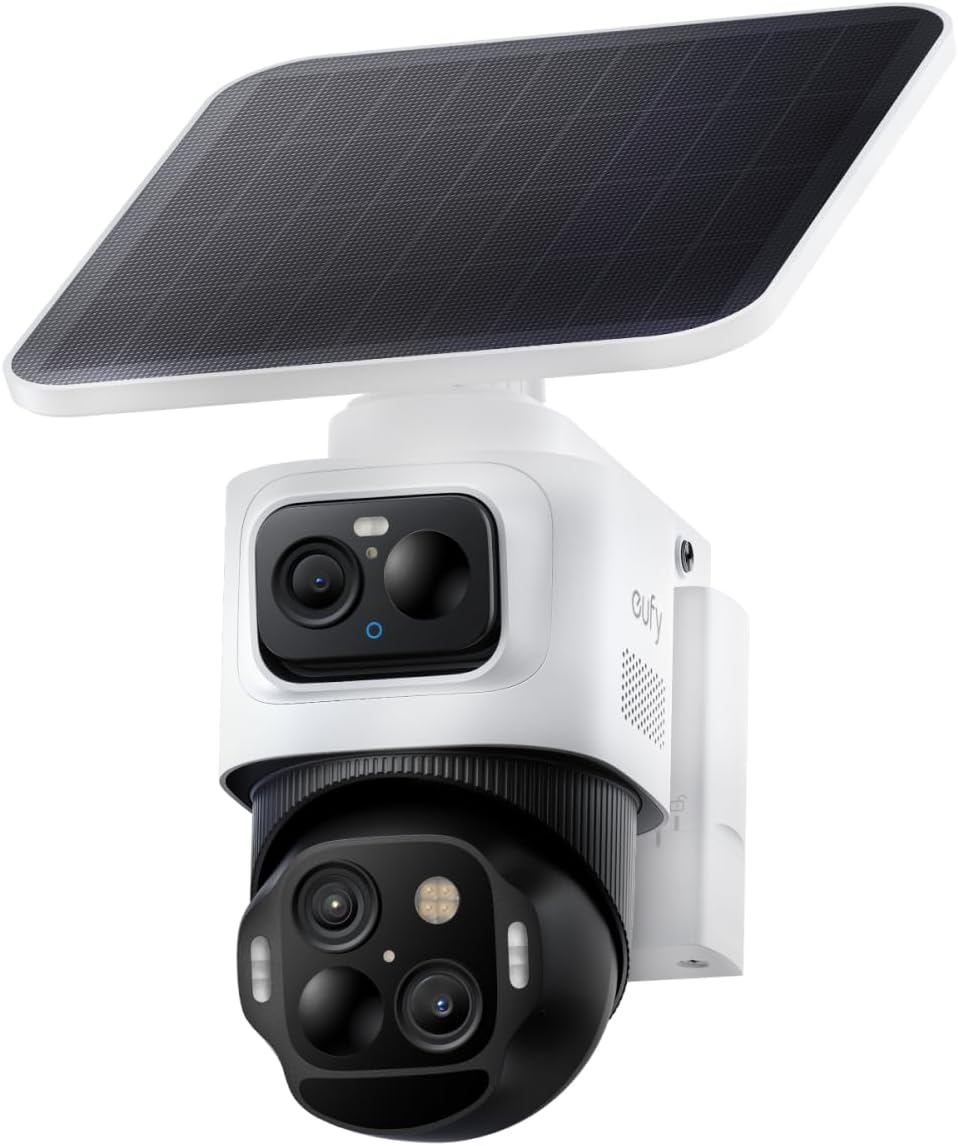
- Single unit provides both broad overview and close-up tracking, simplifying setup over multiple cameras
- Solar panel keeps it charged with just an hour of sun daily, cutting maintenance for constant backyard monitoring
- Local storage and no-fee AI detection mean private footage of your porch without cloud subscriptions
- Color night vision and auto-framing give clear views of visitors or pets even in low light
- Custom zones and schedules focus alerts on key areas like driveways, ignoring neighborhood traffic
Cons
- Solar charging works best in direct sun; shaded spots may need occasional battery swaps or wired power
- Full tracking handoff between lenses can lag if pointed in opposite directions initially
- Advanced features like 24/7 recording require specific HomeBase S380 and firmware updates
This camera sets up in one spot to handle wide views and detailed tracking for everyday home protection. The fixed lens catches motion across your front porch or driveway, then hands off to the moving lens that follows people or vehicles up close. Homeowners get peace of mind knowing it adjusts zoom automatically for singles or groups, ensuring nothing slips by while watching deliveries or kids outside.
At night, color imaging with spotlights lights up your backyard gate or side yard clearly, so you see colors and details instead of blurry shapes. Detection sensors cut down on alerts from wind or animals, focusing notifications on real activity around your property. The built-in storage holds weeks of clips locally, letting you review footage of visitors without ongoing costs.
For deterrence, set zones where lights and a loud siren activate on threats, helping scare off anyone near your driveway or garage. It runs on solar power for reliable operation, though positioning matters for steady charging. Overall, it delivers solid coverage from a single mount, making it straightforward for securing larger areas like backyards without extra devices.
Pairing with the right base station unlocks sharper family recognition, but it functions well alone for basic monitoring of porches and gates. This setup suits homeowners wanting hands-off vigilance over packages, pets, or approaches to the home.
Mount this camera high on a wall or eave overlooking key areas like driveways or backyards for best results. Aim the fixed lens to cover entry points such as front porches or gates, with the PTZ ready to pan across open spaces.
- Face the solar panel south in most U.S. areas for maximum daily charge from one hour of direct sun.
- Tilt panel 30-45 degrees based on your location to catch winter and summer light evenly.
- Keep it 8-10 feet high, away from trees or overhangs that block motion views or sunlight.
- Point PTZ toward high-traffic zones like driveways for faster tracking response on vehicles or people.
- Avoid direct downspout paths; it's built tough but test for steady power in your spot.
The detachable solar panel provides steady power for average use, storing enough from short sun exposure to run 24 hours. In low-light areas, quick-swap battery or wired option keeps it going without downtime.
- 32 GB built-in holds 2-3 months of motion clips for reviewing porch deliveries or yard activity.
- Expand to 256 GB microSD for longer storage of driveway events or pet monitoring.
- With HomeBase S380, scale to 16 TB for full archives; supports 24/7 recording on wired power.
- No cloud needed; all footage stays local, secure on your device for privacy.

Pros
- Solar panel keeps it powered with just minutes of daily sun, ideal for remote spots
- Smart detection cuts false alerts from wind or leaves, focusing on people and cars
- Local storage on microSD card means no cloud fees and full privacy control
- Pan-tilt and auto-tracking provide blind-spot-free coverage for bigger areas
- Easy wireless setup works anywhere with decent WiFi signal
Cons
- Battery camera skips continuous recording to save power, only captures motion events
- Needs reliable WiFi nearby for smooth remote viewing and alerts
- Solar charging relies on direct sun, so shaded areas may need occasional plug-in
This REOLINK Argus PT 4K solar camera offers straightforward wireless monitoring for common home setups like front porches and driveway entrances. Its pan and tilt cover wide areas without blind spots, while auto-tracking follows people or vehicles moving across your property, giving you real-time awareness of visitors or potential issues. Color night vision ensures you see details clearly after dark, whether checking on a late-night delivery or spotting someone near the backyard gate.
For everyday homeowners, the smart detection picks out people, cars, and animals to reduce unnecessary alerts, so your phone only notifies you about relevant motion like a stranger lingering by the side door. Pair it with the included solar panel for hands-off power, needing just brief daily sunlight to stay operational, which suits spots away from outlets. Local storage keeps footage secure on a microSD card without subscriptions, letting you review clips of kids playing outside or pets in the yard at your convenience.
Setup is simple and wire-free, making it practical for renters or quick installs around gates and sheds. While it focuses on motion-triggered recording to preserve battery, this keeps watch over your home's key access points effectively. It builds reliable coverage for properties where you want eyes on deliveries, driveways, and play areas without ongoing costs.
Mount this camera high on porches, garages, or fences for best coverage of entrances and driveways. Aim it to sweep key paths like front walks or back gates, using the app to adjust pan and tilt remotely.
- Position in direct sun for solar panel efficiency, at least 10 feet off ground to avoid tampering.
- Keep within strong WiFi range to ensure smooth live views and alerts for monitoring deliveries.
- Avoid tree cover that blocks motion detection near play areas or pet zones.
- Test auto-tracking on vehicles entering the driveway before finalizing spot.
The rechargeable battery lasts months on a full charge, with solar topping it off using 10-20 minutes of daily direct sun for continuous use around porches or yards. Plug in via USB Type-A to Type-C if shaded.
- Motion-only recording preserves power, capturing events like visitors at doors without draining fast.
- Store up to 512GB locally on microSD for weeks of clips from driveways or gates, no fees.
- Add Reolink Home Hub for managing multiple cameras and extra storage options.
- No continuous video to prioritize battery life in battery-powered setups.

Pros
- 180° view eliminates blind spots when watching wide areas like driveways or side yards
- Smart detection reduces alerts from trees or animals, focusing on real threats like intruders
- Solar power and local storage provide reliable operation without ongoing costs or wiring
- Color night vision delivers clear details in low light for identifying visitors at night
- Compatible with Home Hub for expanded storage and multi-camera setups around the home
Cons
- Requires full charge before first install, which takes several hours with the included cable
- Solar panel needs direct sunlight placement, limiting spots in fully shaded areas
- Motion-only recording misses continuous footage unless paired with a Home Hub
This camera delivers a 180° wide view from dual lenses, covering spaces like front porches or driveways in one seamless shot. Homeowners get full visibility without needing multiple units, reducing blind spots where packages might vanish or strangers approach unnoticed. The smart detection picks out people, vehicles, or animals, sending targeted alerts to your phone so you respond to real activity around backyard gates or kids' play areas.
At night, full-color vision shows details clearly without extra lights, making it practical for monitoring late deliveries or pets in the yard. Combined with instant push notifications, siren, and spotlight, it deters threats on the spot. Local storage on a microSD card keeps your footage private and accessible, perfect for reviewing incidents without subscriptions.
Wireless and solar-powered, it installs high on walls or eaves for optimal coverage of garages or side entrances. The weatherproof design holds up in rain, frost, or heat, ensuring steady protection for homes or rentals. Pair it with a Home Hub for more storage if you expand to multiple spots like doors and driveways.
Overall, it suits everyday property watching, focusing alerts on what matters while minimizing maintenance for busy homeowners securing porches, yards, or gates.
Mount the camera 7-8 feet high on porches, garages, or fences for best motion detection and view of driveways or backyards. Position the solar panel in full sun, using the 13-foot cable to reach optimal spots away from shade.
- Aim for 180° coverage over wide areas like front walks to catch approaches from both sides
- Avoid direct downspouts or overhangs that block the lens during rain
- Test WiFi signal strength at install spot for smooth video streaming to your phone
- Angle slightly downward to focus on ground-level activity near gates or entries
Solar panel provides ongoing power after initial full charge, but direct sunlight keeps it reliable for 24/7 readiness on porches or yards. Use a 5V/2A adapter for wall charging in low-sun winters.
- Local storage on microSD up to 512GB holds weeks of motion clips from deliveries or visitors
- Add Reolink Home Hub for two 512GB cards and multi-camera management without subscriptions
- Motion-triggered recording saves battery for long-term use on remote gates
- RTSP support with Hub allows playback on computers for reviewing pet or kid activity

Pros
- Local 64GB storage keeps footage private and accessible without ongoing fees
- Solar power with backup batteries runs cameras indefinitely in sunny spots
- AI motion tracking follows movement across cameras for full property awareness
- Clear color night vision spots details like faces or license plates up close
- Base station boosts WiFi signal to cover larger homes reliably
Cons
- Solar panels need direct sunlight for best performance; shaded areas require occasional recharging
- Base station must plug into an indoor outlet, limiting placement flexibility
- Initial app pairing takes a few minutes of stable home WiFi to complete fully
This solar-powered four-camera system connects to a base station for local storage, letting homeowners monitor key areas like front porches and driveways without monthly cloud fees. The 4K clarity captures details such as license plates or faces during deliveries, while color night vision keeps views sharp after dark, reducing guesswork about nighttime visitors. Motion detection sends phone alerts and auto-tracks movement, linking footage from all cameras to show what happened across the property.
For backyard gates or garden spots, the 360-degree pan and tilt eliminates blind areas, following people or pets precisely. Two-way audio allows speaking to anyone at the door from your phone, useful for checking on kids outside or warning off strangers. Weatherproof build handles rain, snow, and down to -14°F cold, so it stays reliable through winter without failing.
Expansion to eight cameras covers larger properties, with the base station extending signal strength to avoid dead zones. Footage saves locally for months, uploading only when you choose, giving control over privacy. Everyday homeowners gain straightforward perimeter protection that fits busy routines.
Position these cameras to cover high-traffic home areas effectively, focusing on entry points and open spaces for maximum deterrence and visibility.
- Front porch or door: Aim at the entrance to watch deliveries and greet visitors via two-way talk.
- Driveway edge: Track vehicles pulling in, zooming on license plates from 30 feet away.
- Backyard gate or patio: Use 360-degree swivel to scan fences and play areas for kids or pets.
- Garden or side yard: Strap to trees or poles with included brackets for flexible, drill-free mounting.
- Avoid fully shaded spots; place solar panels south-facing for steady charging.
Solar charging keeps cameras running with just a few hours of daily sun, backed by batteries that hold power through cloudy days or outages.
- Daily operation: Two hours of sunlight powers nonstop recording and live views indefinitely.
- Offline mode: Records to base station during WiFi drops, auto-syncs later.
- Storage holds: 64GB captures four months of motion-triggered clips, no deletions needed.
- Low-light battery works down to -14°F, but recharge manually in constant shade every few weeks.
- Base station stays powered via outlet; cameras draw from it if solar dips.

Pros
- Sharp 4K video identifies license plates and faces from farther away
- Solar charging cuts down on battery swaps for low-maintenance use
- Motion tracking keeps subjects in view across the whole yard
- Person and vehicle detection reduces alerts from wind or animals
- Weatherproof build holds up in rain and dust
Cons
- Solar panel needs direct sun for full-day power; cloudy weeks require recharging
- Initial app setup takes 20-30 minutes with WiFi pairing steps
- MicroSD card sold separately for local storage
This Tapo C660 camera mounts outside to watch over your property with clear 4K video that picks out details like license plates on cars in the driveway or faces at the front door. The pan and tilt cover a full 360 degrees horizontally, so you see everything from the porch to the backyard gate without moving the camera. Motion tracking locks onto people or vehicles and follows them, sending alerts to your phone right away.
For everyday homeowners, it means fewer false alarms from leaves or shadows since it spots only people, cars, or pets. Set it to record continuously or just on motion, storing clips on a microSD card you insert. The solar panel keeps the battery charged with just 45 minutes of sun daily, ideal for spots without outlets like over a backyard fence.
Place it high on a wall or pole for the best view of entry points. In real situations, it catches delivery attempts or kids near the garage, giving you quick phone access to live view or playback. The weatherproof design handles rain and dust, so it stays reliable year-round without much upkeep.
Overall, it fits renters or owners wanting simple coverage for driveways, porches, and yards, skipping wires and fees while delivering practical alerts and visibility.
Mount the camera 8-10 feet high on a wall, eave, or pole for wide yard views and to avoid tampering. Aim the solar panel south-facing for max sunlight.
- Front porch: Covers door and walkway; tracks deliveries approaching.
- Driveway: Spots vehicles entering; reads plates clearly.
- Backyard gate: Pans to follow motion along fences.
- Avoid trees or overhangs blocking pan-tilt range.
The 10,000 mAh battery lasts weeks on a charge, topped up by the solar panel in sun. Expect full-day power from 45 minutes direct light; recharge manually in shade-heavy areas.
- Solar kit: Cable up to 13 feet for best sun spot.
- Local storage: MicroSD up to 512GB holds months of clips; no fees.
- Optional cloud: Tapo Care for backups if needed.
- 24/7 mode uses more power; toggle for motion-only to extend life.

Pros
- Solar charging keeps the camera running for months with minimal maintenance
- Person and vehicle detection reduces alerts from wind or animals
- Magnetic mount allows easy repositioning for better coverage of porches or driveways
- Color night vision provides clear details even in low light for identifying visitors
- Local storage option avoids ongoing cloud fees for basic use
Cons
- Solar panel requires direct sunlight for reliable charging in shaded areas
- MicroSD card for storage is sold separately
- Needs a strong WiFi signal outdoors for smooth video streaming
This Tapo camera provides straightforward coverage for common home areas like front porches and backyard gates. Its high-resolution imaging captures sharp details, making it easier to see license plates on driveways or recognize delivery personnel at the door. The color night vision works well under porch lights or street lamps, giving you context about who or what triggered an alert after dark.
Smart detection focuses on people, vehicles, and pets, so you get notifications that matter instead of every passing squirrel. For families, this means peace of mind while checking on kids playing outside or monitoring a side gate. The magnetic base lets you adjust angles quickly without tools, ideal for renters testing spots around the property.
Two-way audio allows direct communication with visitors, useful for instructing package handlers or deterring strangers. An anti-theft alarm sounds if someone tampers with the unit on your fence, sending an instant phone alert. Local storage keeps recordings secure on your own card, reviewing key moments like porch activity via the app's timeline without extra costs.
Built tough against rain and cold, it holds up through seasons on exterior walls. Overall, it fits everyday needs for visible deterrence and reliable alerts around doors, driveways, and yards.
Position this camera to cover high-traffic spots like porches, driveways, or gates for maximum value. Aim for 8-10 feet high to avoid tampering while capturing faces and vehicle details clearly.
- Front porch: Angle downward to monitor doors and steps, catching deliveries and visitors.
- Driveway: Point along the path to detect approaching cars or people from the street.
- Backyard gate: Use the magnetic mount on metal fences for quick setup and sun exposure.
- Avoid deep shade for the solar panel; extend the 13-foot cable to a sunny spot if needed.
- Test the WiFi signal strength before final mounting to ensure steady streaming.
The built-in battery lasts up to 200 days on a charge with typical use, topped up by the solar panel needing just 45 minutes of daily sun. This setup eliminates frequent swaps for porch or yard monitoring.
- Solar efficiency: Dashboard tracks charging; works in most U.S. climates but slower in winter or shade.
- Backup power: Handles outages or cloudy stretches without interrupting coverage.
- Local storage: Supports microSD up to 512GB for weeks of footage from gates or driveways.
- Optional cloud for remote access; encrypt the card via app for privacy on shared recordings.

Pros
- Auto-tracking keeps moving subjects in view for better identification during porch visits or gate approaches
- Color night vision reveals details like clothing colors on suspects at night without extra lights
- Smart detection filters out non-threats like squirrels to focus alerts on people entering driveways
- Solar panel maintains charge with minimal daily sun, simplifying setup in wired-hard spots
- Local storage option keeps your footage private without cloud fees
Cons
- Records only on motion events, not continuously, so it misses idle periods around the property
- Solar charging requires at least 20 minutes of direct sun daily or battery drains faster in shade
- App needs manual setting to highest resolution for full 4K clarity on small screens
This wireless camera mounts easily outdoors to watch over front porches where packages arrive or backyard areas near gates. Its pan and tilt cover a full 360 degrees, automatically following anyone who walks into view, so you stay aware without repositioning. Color night vision picks out details like vehicle types or visitor jackets even after dark, helping you decide if an alert needs action right away.
For everyday homes, smart detection cuts down on notifications from passing cars or stray animals, focusing instead on people approaching doors or driveways. You get push alerts and can speak through the camera to greet deliveries or warn off strangers. The solar panel keeps it running with just brief daily sunlight, freeing you from constant recharging while securing spots hard to wire.
Footage saves directly to a microSD card you insert, letting you review clips of motion events anytime via the app. This setup gives control over your property visuals without ongoing costs, ideal for renters or homeowners checking on kids in the yard. Pair it with others for wider coverage, but it stands alone effectively for targeted spots like entry points.
Overall, it delivers reliable monitoring that fits routine home defense needs, emphasizing clear views and targeted alerts over constant recording.
Mount this camera 8-10 feet high on porches, garages, or fences for optimal motion detection and to avoid tampering. Aim it to sweep driveways, gates, or play areas where foot traffic happens.
- Position for direct sunlight on the solar panel at least 20 minutes daily to sustain battery life.
- Avoid tree cover or walls that block 360-degree panning toward entry points.
- Test WiFi signal strength from the spot using your phone; closer to home router works best for smooth remote viewing.
- Angle tilt downward for ground-level details like package drops or pet movements.
Battery lasts up to 4 months on a full charge but relies on solar for ongoing use, or plug in occasionally with a standard USB cable. No continuous recording to preserve power; it captures motion-triggered clips only.
- Insert a microSD card up to 512GB for local event storage without fees or cloud needs.
- Full charge before install; 5V/2A adapter takes 5 hours for max runtime.
- App playback filters clips by person, vehicle, or animal for quick scans of driveway or porch activity.
- Works with Home Hub for more storage or advanced access if expanding your setup.

Pros
- Solar charging with just two hours of sun keeps cameras running without frequent battery swaps
- AI tracking and facial recognition cut down on unnecessary phone alerts from wind or animals
- HomeBase handles up to 16TB storage for weeks of footage without cloud costs
- Pan-tilt and wide view provide full coverage for larger areas like yards or long driveways
- Weatherproof build holds up in rain or snow for reliable year-round outdoor use
Cons
- Solar panels need direct sunlight daily for consistent charging in shaded spots
- HomeBase requires firmware updates for full compatibility with these cameras
- Continuous 24/7 recording needs a separate wired power adapter
The eufy SoloCam E42 4-Cam Kit sets up four cameras that pan and tilt to follow motion around your home, such as someone walking up to your front porch or lingering near the driveway. With 4K clarity, you see details like faces or license plates from across the yard, helping identify delivery personnel or unexpected visitors without guesswork. The included HomeBase stores everything locally, so you review footage of backyard gate activity anytime, even if internet drops.
AI detects people and vehicles while ignoring tree branches or squirrels, sending phone alerts only for real threats like a stranger at your door after dark. Strobe lights and a siren activate on detection to scare off potential intruders before they approach, adding a layer of deterrence for properties with open yards. Facial recognition learns family members over time, quieting alerts when kids play outside or pets roam the driveway.
Solar panels keep the cameras powered with minimal upkeep, ideal for watching packages on the porch or securing side gates without climbing ladders for batteries. Connected to smart assistants, you check views or speak through the audio from your phone, making it straightforward to monitor the home while away. This kit delivers reliable coverage for everyday protection without hidden costs.
For larger properties, the cross-camera tracking links detections between units, so motion starting at the street follows through to your backyard. Local storage expands easily, holding months of clips to piece together events like repeated suspicious activity near your gate.
Position these cameras to cover key entry points and open areas around your home for maximum visibility and deterrence. Focus on spots with some direct sun for solar charging while overlooking high-traffic zones.
- Front porch or door: Catches deliveries, visitors, or anyone ringing the bell, with pan-tilt following movement side to side.
- Driveway edge: Tracks cars pulling in or people walking up, spotting license plates up to 33 feet away.
- Backyard gate or fence: Monitors kids, pets, or intruders entering from the side or rear.
- Side yard path: Covers pathways to garages or sheds, reducing blind spots with 360-degree panning.
- Avoid deep shade or facing directly into heavy rain; mount 8-10 feet high on walls or eaves for best view.
Solar power handles most daily use, but real performance depends on your location's sunlight and activity level. Storage via HomeBase keeps footage secure without subscriptions.
- Solar charging: 2 hours direct sun daily maintains full operation; heavy use or clouds may need occasional USB recharge.
- Battery backup: Built-in battery lasts weeks on motion-only mode, switching seamlessly from solar.
- 24/7 recording: Possible with separate 5V/2A adapter (not included) plugged into a nearby outlet.
- Storage setup: HomeBase starts with 16GB (about 2-3 weeks of clips), expands to 16TB for months of retention; no card needed per camera.
- Review and delete old clips regularly to manage space, especially with four cameras running.
Buying Guide for 4K Solar Security Cameras
Solar security cameras solve the wiring problem, but choosing the right one takes more than picking the highest resolution on the shelf. Panel size, battery capacity, and how the camera handles low light after dark are all factors that affect whether your setup actually works the way you expect. Here are the key things to look at before you buy.
Solar Panel Size and Charging Rate
The solar panel that ships with a camera is often smaller than what the camera actually needs to stay fully charged through a run of overcast days. A panel that works fine in direct summer sun can leave the battery drained after two cloudy days in a row, which means gaps in your coverage at exactly the wrong time.
Look for cameras with panels rated at 3W or higher, and check whether the panel is adjustable so you can angle it toward the sun independently from the camera lens. 360-degree solar security cameras often ship with larger panels precisely because they draw more power from continuous rotation, and that spec is worth comparing across models.
Battery Capacity and Backup Runtime
Solar charging keeps the battery topped up under good conditions, but the battery itself is what keeps the camera running when there is no sun. A small battery drains overnight and may not recover fully the next day if cloud cover continues, leaving you with a camera that is technically solar-powered but frequently offline.
Look for a battery capacity of at least 6,000mAh for a camera covering an active outdoor area. Cameras that support both solar charging and a wired power backup give you the most reliable setup if you have an outlet within reach of the mounting spot.
Night Vision Without Drawing Down the Battery
Recording at 4K through the night draws significantly more power than daytime recording, and cameras using active IR illuminators run their batteries down faster than models with efficient low-light sensors. A camera that looks great during the day can become a liability at night if the power draw is not matched by the solar input.
Check whether the camera supports color night vision via a built-in spotlight or relies on infrared only. 4K cameras with strong night vision that use larger sensors rather than heavy IR arrays tend to perform better on solar setups because the power draw is lower and the image quality holds up further from a light source.
Motion Detection and Recording Triggers
A solar camera recording continuously at 4K will drain its battery regardless of panel size. Most models in this category use motion-triggered recording to manage power, which works well when the detection is accurate but creates problems when it is not.
Basic pixel-change detection fires on passing headlights, wind-blown branches, and shadows, filling your storage with irrelevant clips and draining the battery on footage you will never watch. AI-powered security cameras filter alerts by recognizing people and vehicles specifically, which keeps both your storage and your battery in better shape over the course of a day.
Connectivity in Remote Locations
Most solar cameras connect over WiFi, which works fine when the mounting spot is within your router range. But the locations where solar cameras make the most sense – a back gate, a detached garage, a far corner of a property – are often the same spots where your home WiFi signal is weakest or nonexistent.
Before finalizing a placement, check your signal strength at that spot. If the connection is marginal, 4G solar security cameras are worth considering since they connect over a cellular network rather than your home router, which keeps footage reliable regardless of where on your property the camera is mounted.
Getting these five things right before you buy will save you from the most common solar camera frustrations. Once you are confident on power, night vision, and connectivity, the rest of the decision becomes straightforward.
Why You Should Trust Us
Our reviews at Safe Home Upgrade draw from deep research into manufacturer specifications, independent certifications, and aggregated performance data across thousands of verified units. We developed the SHU Score to rate objectively on build quality, usability in home scenarios, and adherence to safety standards like IP ratings and Wi-Fi security protocols.
This data-driven approach ensures picks match real homeowner needs, from urban apartments to suburban yards, without bias toward hype or unverified claims. We cross-reference UL and similar certs to confirm durability claims hold up.
Final Thoughts
For most setups, any of the picks above will do the job. The decision gets more specific when your mounting spot is far from any power source and you still need genuine 4K detail rather than just motion detection. That is where the gap between options starts to show.
With the eufyCam S4 4K Solar PTZ Camera, you get pan-tilt tracking and solar charging in one unit, so a single install covers the kind of open area that would otherwise need two or three fixed cameras. That is a practical difference for anyone working with a large driveway or backyard.
FAQs
Do 4K solar security cameras require subscriptions?
No, most best 4k solar security cameras store footage locally on SD cards or base stations without fees. This keeps video private and accessible offline for driveways or porches. Opt for models with 128GB+ capacity to cover weeks of events.
How much sun do 4K solar security cameras need daily?
Two to three hours of direct sunlight suffices for full-day operation on efficient panels. Position panels south-facing away from shade for backyards or garages. Backup batteries handle cloudy days reliably.
Can 4K solar security cameras track motion across 360 degrees?
Yes, pan-tilt models with AI follow people or vehicles smoothly over full ranges. This covers large yards without multiple units. Fixed-lens options suit smaller porches but miss wider motion.
Are these cameras good for cold weather?
IP66-rated ones operate down to -14°F with low-temp batteries. They maintain battery life in winter for northern homes. Avoid cheap models that freeze up.
Do you need a hub for 4K solar security cameras?
Not always; standalone units use microSD, but hubs like HomeBase expand storage and add features for multi-cam setups. Hubs improve reliability in bigger homes.





Write Your Review
No reviews yet. Be the first to share your experience!